

Featured Answer: Travel insurance is not legally mandatory for a Uganda eVisa in 2026, but it is strongly recommended by travel authorities. Medical evacuation from remote national parks like Bwindi to Kampala costs $5,000 to $15,000+, an expense U.S. domestic health plans and Medicare do not cover. Experts recommend maintaining at least $100,000 in emergency medical coverage.
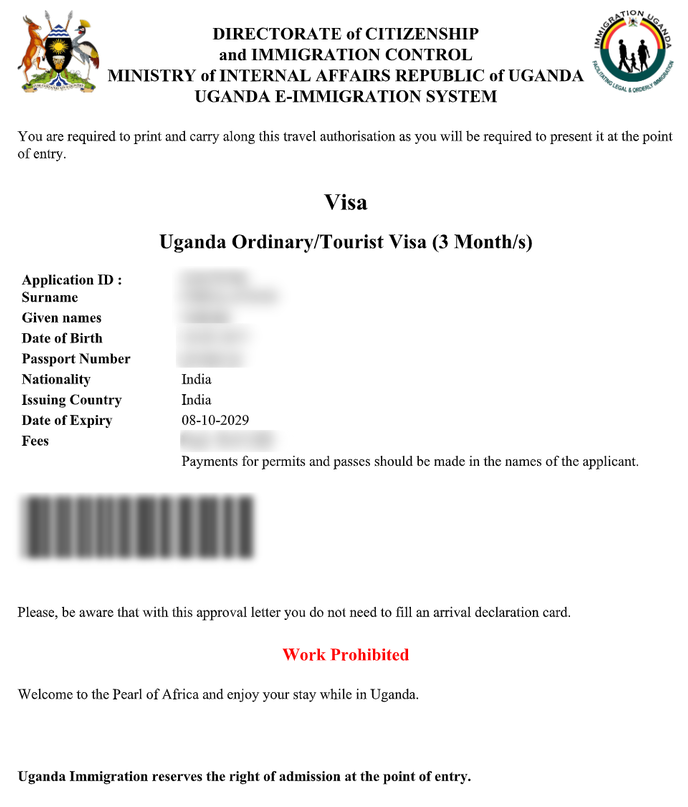
While Ugandan immigration authorities do not require insurance documentation during online visa application at visas.immigration.go.ug, U.S. travelers face severe financial exposure without proper policy limits. Standard care at private centers like The International Hospital Kampala requires immediate payment, while international medical repatriation can exceed tens of thousands of dollars. Securing comprehensive medical coverage alongside a valid passport and Yellow Fever certificate ensures total preparation for entry into Uganda.
Is Travel Insurance Mandatory for Uganda eVisa?
Key Requirement Status: Travel insurance is not mandatory to obtain a tourist eVisa or enter Uganda in 2026. However, emergency medical protection is strongly advised due to rural infrastructure limits.
Travel insurance for a Uganda eVisa is not legally required under entry regulations maintained by the Uganda Directorate of Citizenship and Immigration Control. Unlike Schengen destination countries or nations such as Cuba that mandate health insurance for entry clearance, Uganda permits foreign visitors to enter without uploading policy proof during the eVisa application process.
Despite the lack of a legal mandate, medical coverage is strongly advised by the U.S. Department of State. Public healthcare facilities near primary wildlife destinations lack critical care capabilities. Emergency air evacuation from remote areas like Bwindi Impenetrable Forest or Murchison Falls to an international hospital in Kampala costs $5,000 to $15,000+, an expense neither standard U.S. domestic health insurance nor Medicare will reimburse.
Uganda Entry Requirements: eVisa, Yellow Fever & Essential Checklist
Beyond securing insurance protection, travelers from the United States must satisfy key immigration and health criteria before entering Uganda in 2026:
- Valid Passport: Must have at least 6 months validity beyond your intended entry date and contain 1 blank page for immigration stamps.
- Electronic Visa (eVisa): U.S. citizens must apply online via visas.immigration.go.ug at least 5 days prior to travel. Standard processing takes 2-3 business days. Entry fees are $50 USD for a single-entry tourist visa, $100 USD for a 6-12 month multiple-entry visa, and $200 USD for a 24-month multiple-entry visa. Overstaying incurs a fine of $30 USD per day.
- Mandatory Vaccination Certificate: A valid International Certificate of Vaccination (ICV) for Yellow Fever is strictly required for border entry approval.
- Supporting Documentation: Applicants must upload passport copies, a photo, travel itinerary, and hotel booking details.
- Recommended Insurance Proof: Carrying printed proof of your travel policy helps verify financial capability for emergency medical care during border checks.
Recommended Coverage Types and Estimated Costs
A policy covering $100,000 in emergency medical benefits and $250,000 in emergency medical evacuation averages $27 per day (approx. $492 for a 14-day trip) in 2026. While Schengen visas require a minimum of $30,000 in medical coverage, Uganda’s remote geography makes higher limits essential.
When selecting medical coverage for your Uganda visa, compare comprehensive travel insurance plans against basic fixed-benefit policies. Comprehensive plans cover 100% of actual eligible medical costs up to the policy limit after a low deductible ($0 to $100), whereas fixed-benefit plans pay only capped cash amounts per medical event. Ensure your policy includes coverage for high-risk adventure activities such as $700 gorilla trekking permits, Nile white-water rafting, and safari game drives, as well as medical repatriation of remains.
| Coverage Type / Plan Option | Recommended Minimum Limit | Uganda Risk Context & Expenses |
|---|---|---|
| Emergency Medical Expense | $100,000 | Private hospitalization in Kampala ($100-$500/day) |
| Emergency Medical Evacuation | $250,000 | Helicopter rescue from Bwindi to Kampala ($5,000-$15,000) |
| Safari & Adventure Cover | Full Policy Limits | Coverage for $700 gorilla permits and white-water rafting |
| Repatriation of Remains | $50,000 | International transport costs back to the United States |
| Comprehensive Plan Type | 100% Eligible Costs | Average premium of $27/day ($492 per 14-day trip) |
How to Prepare Documents & File an Insurance Claim in Uganda
Carry a printed insurance certificate at Entebbe International Airport. Cellular coverage in remote national parks is unreliable, making digital-only copies difficult to access. Recognized international providers (Allianz, World Nomads, IMG) and recognized local Ugandan insurers (Jubilee Insurance, Liberty Life Assurance, PAX Insurance, ICEA Lion, Sanlam, Chancery Wright, Alliance/MAPFRE) issue policy certificates listing coverage limits and 24/7 hotline numbers.
If a medical emergency occurs during your stay in Uganda, follow this step-by-step claims procedure:
- Contact your insurer’s 24/7 emergency assistance center immediately before receiving non-urgent treatment (Allianz: +49 89 628 35 000; IMG: +1 317 655 4500).
- Obtain itemized medical reports and payment receipts from facilities like The International Hospital Kampala or Nakamura Japanese Hospital.
- Keep all proof of travel, including your eVisa approval and passport entry stamp.
- Submit your claim documentation online through the provider portal within 14-30 days of the incident for reimbursement.
Frequently Asked Questions (FAQ) About Uganda eVisa Travel Insurance
Do I need travel insurance for Uganda in 2026?
No, travel insurance is not legally mandatory to obtain a Uganda tourist eVisa in 2026. However, medical coverage is strongly advised because local healthcare outside Kampala is limited, and air evacuation from national parks costs between $5,000 and $15,000.
What happens if I do not have travel insurance at the Uganda border?
You will not be denied entry solely for lacking travel insurance. However, border officers at Entebbe International Airport may ask about your financial arrangements. Without insurance, you are personally responsible for all out-of-pocket medical and evacuation expenses.
Is travel insurance required for a Uganda business or student visa?
Travel insurance is not mandatory under national immigration rules for business or student eVisas in 2026. However, hosting universities, employers, or academic programs in Uganda frequently require proof of health coverage before enrollment or work begins.
Does standard travel insurance cover gorilla trekking and safari activities?
Basic travel insurance often excludes high-risk activities like gorilla trekking or Nile rafting. Given that gorilla permits cost $700 per person and activities occur in remote areas, choose specialized plans such as the World Nomads Explorer plan that explicitly include safari adventure sports.
Does travel insurance cover pre-existing medical conditions for Uganda?
Standard travel insurance policies generally exclude pre-existing conditions unless you purchase a policy with a pre-existing condition exclusion waiver. To qualify, you must buy coverage shortly after making your initial trip deposit and be medically fit to travel at purchase time.
Can I use a local Ugandan insurance company for my policy?
Yes. Policies from recognized Ugandan providers are accepted. Approved local insurers include Jubilee Insurance, Liberty Life Assurance, PAX Insurance, ICEA Lion, Sanlam, Chancery Wright, and Alliance/MAPFRE. Ensure the policy includes explicit emergency evacuation limits and 24/7 hotlines.
What is the minimum recommended medical coverage limit for Uganda?
While Uganda sets no official legal minimum, travel health experts recommend maintaining at least $100,000 in emergency medical coverage and $250,000 for medical evacuation. This protects against private hospital costs in Kampala ($100-$500/day) and air ambulance fees.
Does my domestic US health insurance cover medical care in Uganda?
No. Most U.S. domestic health plans, including Medicare, offer no coverage for medical care outside the United States. Ugandan medical centers require immediate payment, and U.S. insurers will not cover emergency international air evacuation.